











It is a fact of going to school in northern Minnesota that the winters will be long, cold, and icy. This might be considered something you sign up for when you enroll in classes this far north. However, it is also the responsibility of your campus to do its best to minimize harm to its students.
College is hard enough as it is, and it only gets harder if you’ve injured yourself slipping on a patch of ice or falling down a set of unshoveled steps. For disabled students, this risk of injury is magnified. Those who use mobility aids could become quite literally stuck trying to cross icy or snowy walkways, blind and visually impaired students may find it difficult to navigate snowdrifts or see what patches of the walkway are covered in ice, and students with clotting or connective tissue disorders could retain a long-term or permanent injury from fall-related bruising. Even otherwise able-bodied students who could theoretically make it to class might not be willing to risk hospitalizing themselves to do so.
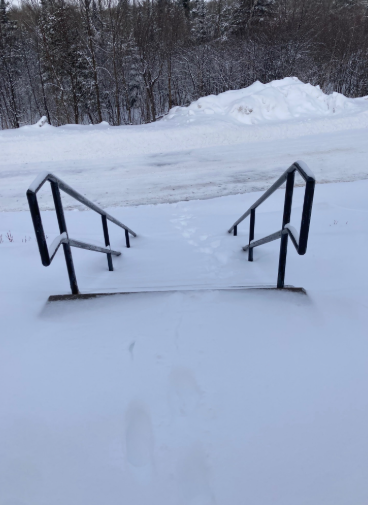
During this semester’s Ash Wednesday blizzard, campus rightfully closed for the day. However, after classes resumed the next day it took until almost 11:00 AM of that Friday for the front steps of Scanlon and Kerst to start to be cleared, meaning students within these dorms would have to climb up and down stairs covered in feet of snow in order to make it to class and back.
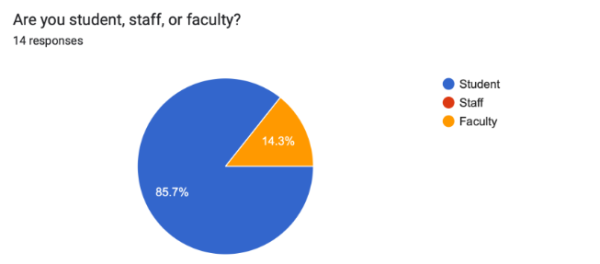
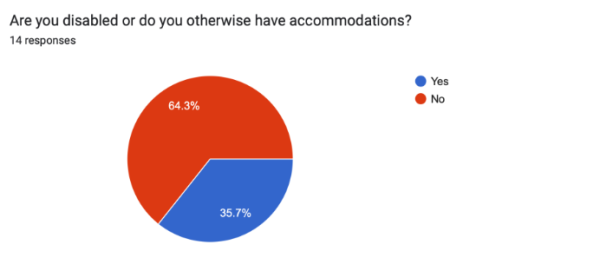
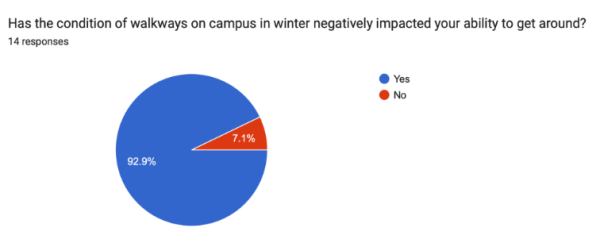
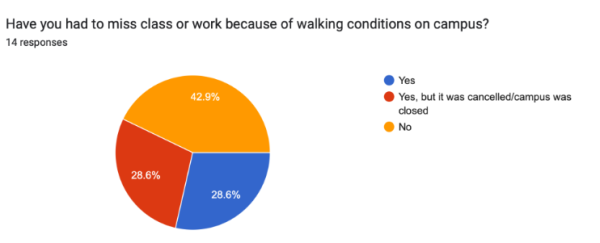
Prompted by the effects of this blizzard, The Script sent out a survey asking students and staff alike about how the winter walking conditions on campus affected them. 92.9% of respondents agreed that the conditions of walkways on campus in winter have impacted their ability to get around. 57.1% of respondents claimed that they’ve had to miss class or work due to conditions on campus, with an even split between whether this was due to class cancellation and campus closure, or while campus was open.
While the administration’s current approach of sporadic shoveling and liberal salt application feels like an afterthought rather than a strategy, the technology already exists to turn this campus into a winter-proof fortress if we simply decide to stop accepting ice as inevitable. For example, SUNY Brockport pre-treats its campus sidewalks with a liquid chemical that prevents severe buildup in areas prone to being slippery. This is done to limit the amount of salt used. Moreover, studies done at the University of Waterloo show that salt is more effective on roads used by cars, rather than pedestrian sidewalks.
It is undeniable that St. Scholastica has had difficulty addressing the icy sidewalk issue for years now. With every solution, it seems as though it is nearly impossible to satisfy every student. Despite these setbacks, other universities have shown that there are realistic solutions to this issue.