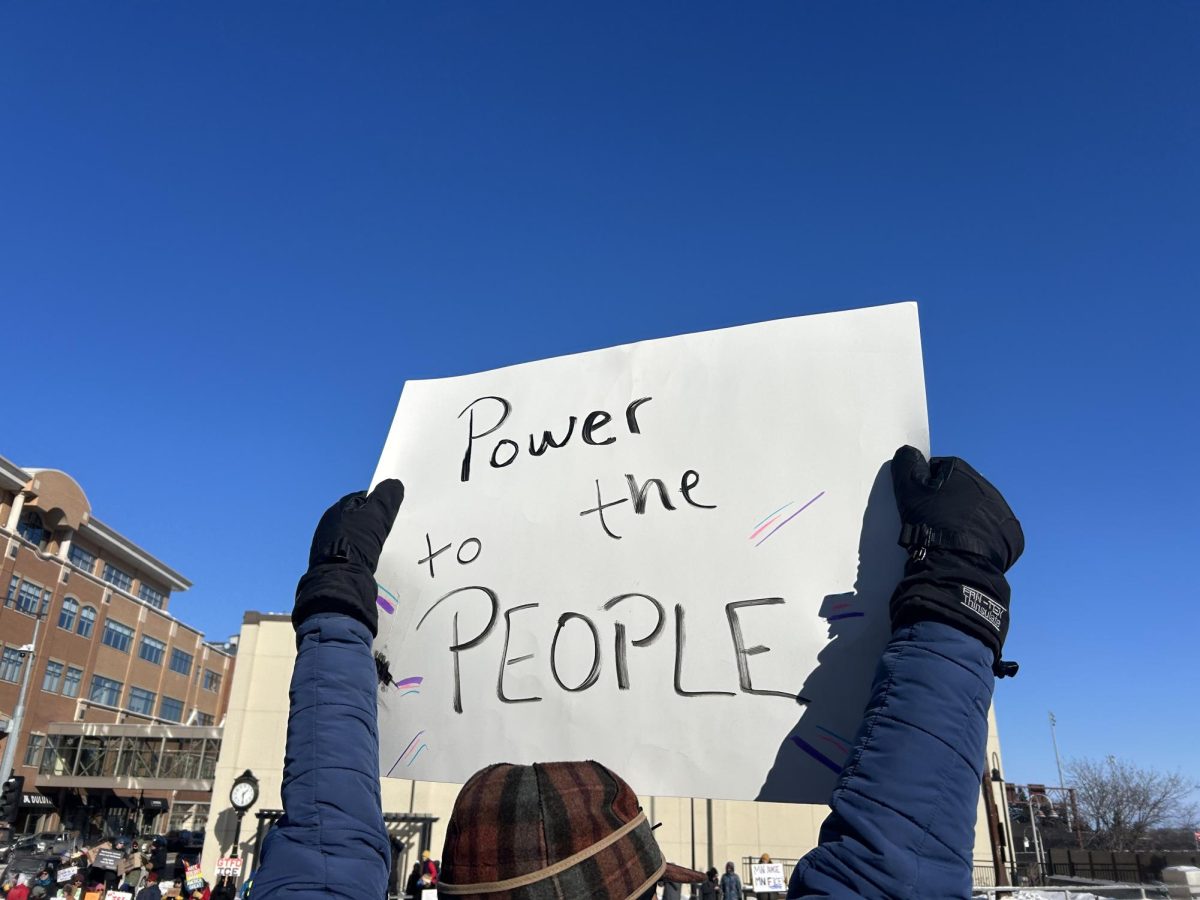


This March, CSS has undergone significant budget cuts due to a $5.6 million budget gap. These cuts have sparked protests from students, which have lasted for over three weeks.
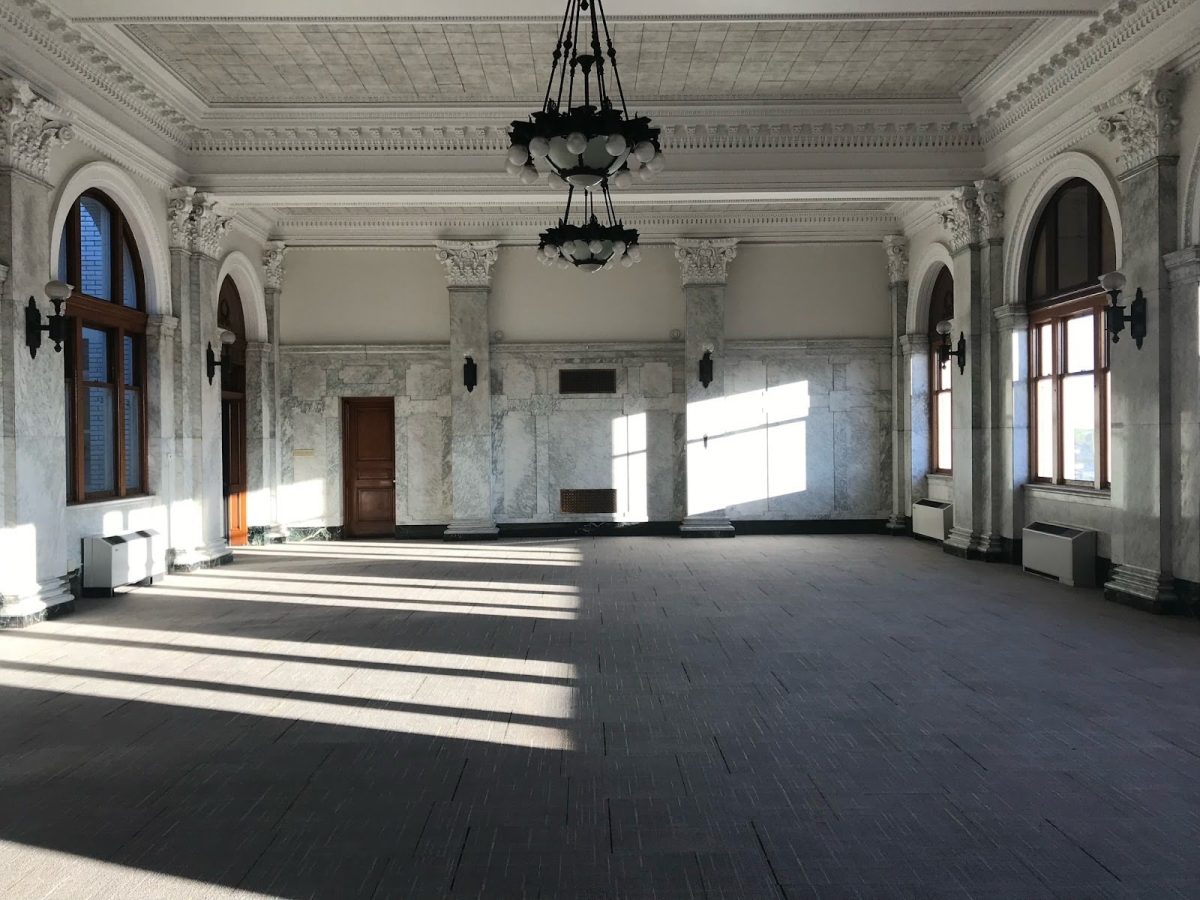
The protests began on March 27 after some faculty members learned that their contracts would not be renewed past the 2027 academic year. Students began to gather in the hallway near the administrative offices, on the second floor of Tower Hall, where protests have been held daily since. On the first day of protests a group of about 30 students met with members of the college’s administration to express their disagreement with the budget cuts that were being made.
In two meetings that lasted for about five hours total, students shared why they believed certain professors shouldn’t be cut, as well as their frustrations with how they didn’t feel students’ opinions were considered in making these decisions. Several students that spoke got emotional as they shared how certain professors that were cut had significantly improved their education and changed their lives.
The meetings on March 27 were mainly focused around the specific faculty decisions the college has made, but the other budget decisions were brought up as well. These included cutting $400,000 from student employment and a raise in tuition starting next academic year.
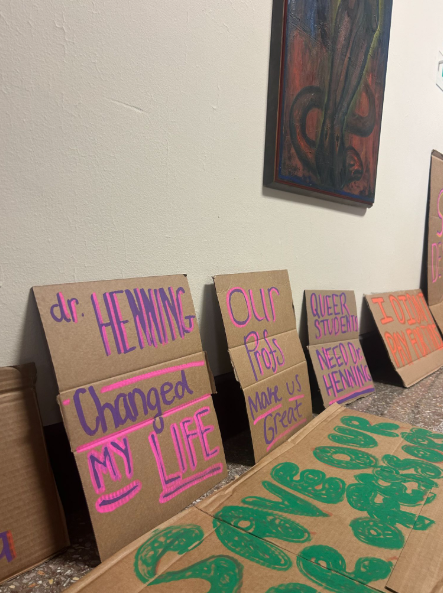
Students have continued to protest since meeting with administration. The second floor hallway has turned into a space for protesting alongside learning. Protesters gather to do homework alongside cardboard signs set up along the hall. Several “teach-ins” have been held, with students reading books and essays out loud and having discussions.
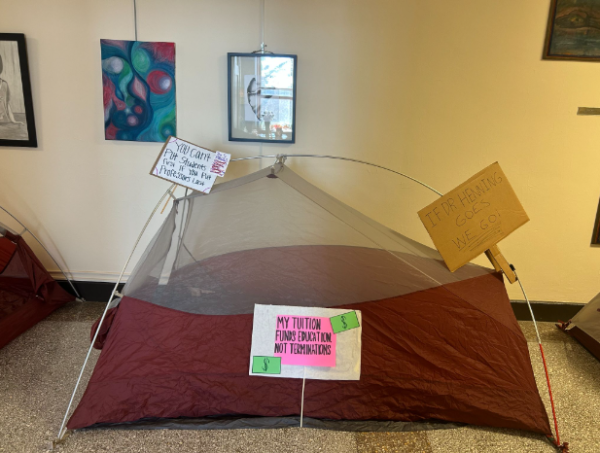
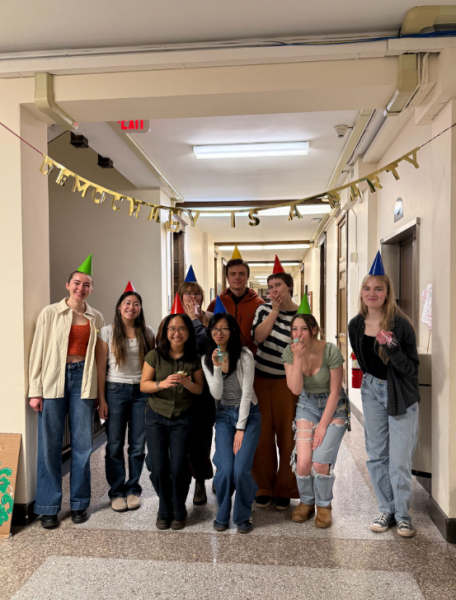
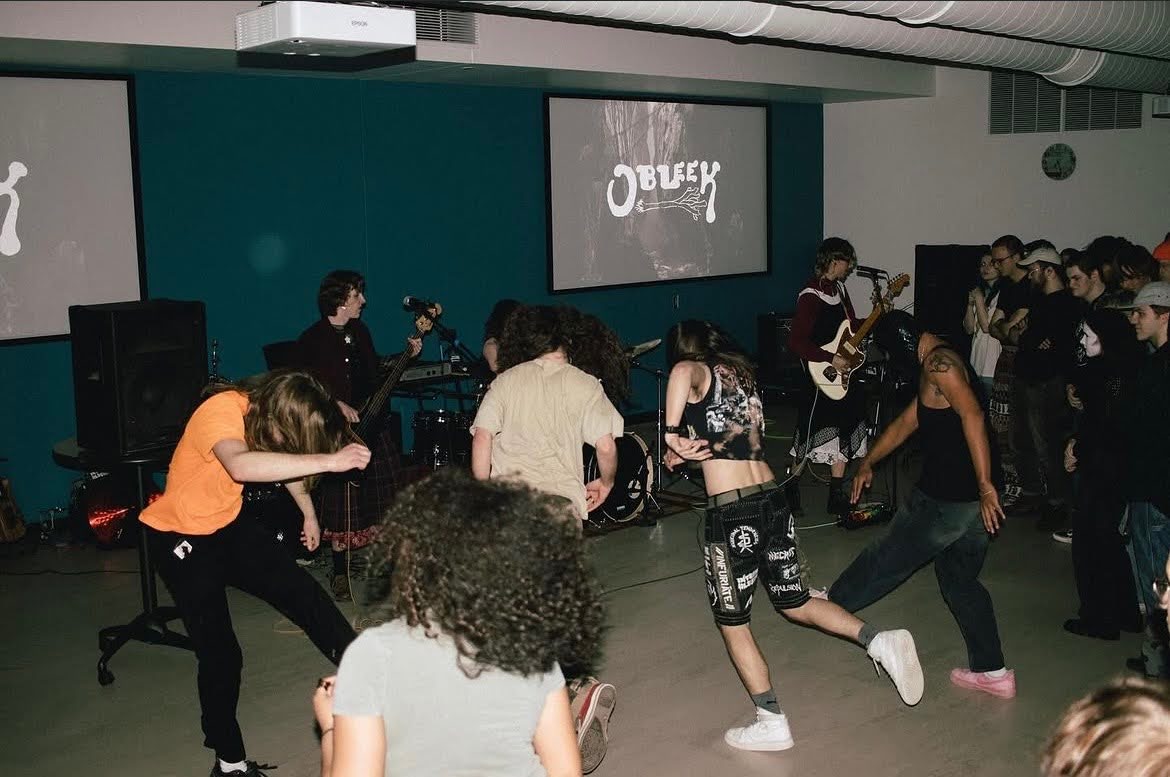
To uplift the mood, some people play music and there have even been themed days of the protest, such as “camp out” day and “democracy is a party” day.
The overarching concern from students is that their voices are not being heard, or even considered in decisions that will greatly impact the quality of their education. The administration maintains that these decisions were not made lightly, and that they were necessary in order to close the budget gap.